

As we age, the importance of our dietary choices becomes increasingly evident. For seniors, especially those aged 55 and older, selecting the right diet can be a pivotal factor in enhancing longevity and improving overall health. The concept of a "longevity diet" isn't just about adding years to life, but more importantly, adding life to those years. In this blog post, we'll explore three popular diets often associated with longevity: plant-based, ketogenic (keto), and carnivore diets.
Each of these diets offers unique benefits and challenges, especially for the senior demographic. We'll delve into the specifics of each diet, understanding how they can potentially impact health, wellbeing, and longevity. Whether you're firmly established in your dietary ways or looking for a change, this discussion aims to provide you with valuable insights to make informed decisions about your diet. So, let's embark on this journey towards understanding how our food choices can influence our golden years.
Understanding Longevity Diets
What Are Longevity Diets?
Longevity diets are more than just a list of foods; they are a holistic approach to eating that emphasizes nutrients and eating patterns conducive to a longer, healthier life. The goal is not just to extend lifespan but to enhance healthspan – the period of life spent in good health. These diets typically focus on reducing risks associated with age-related diseases, improving mental and physical function, and enhancing overall quality of life.
The Science Behind Diet and Aging
Research has repeatedly shown that what we eat significantly impacts our aging process. Certain diets can reduce inflammation, a key contributor to many chronic diseases prevalent in older adults. Additionally, foods rich in antioxidants can help combat oxidative stress, another factor in aging. The science of longevity also looks at how diets can influence metabolic health, hormonal balance, and cellular repair mechanisms, all crucial aspects as we age.
Adapting to Individual Needs
It's important to note that there isn't a one-size-fits-all longevity diet. Factors like genetics, lifestyle, pre-existing health conditions, and personal preferences play a significant role in determining the most suitable diet. As we delve into the specifics of plant-based, keto, and carnivore diets, remember that the best diet for longevity is one that aligns with your individual health needs and is sustainable in the long term.
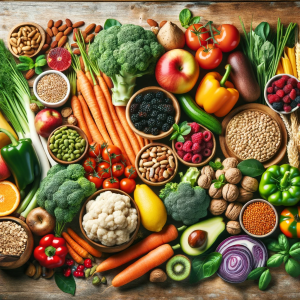
The Plant-Based Diet
Embracing a World of Plants
The plant-based diet is centered around whole, unprocessed plants. It's not just about avoiding meat; it's about embracing fruits, vegetables, grains, nuts, and seeds. This diet is rich in fiber, vitamins, and minerals, while being typically low in calories and fat.
Benefits for Seniors
For seniors, a plant-based diet can offer numerous benefits:
- Heart Health: Plant-based diets are known for their role in heart health, significantly reducing the risk of heart disease.
- Weight Management: High in fiber and low in calories, these diets can help maintain a healthy weight.
- Reduced Risk of Chronic Diseases: Studies have shown a reduced risk of diseases like Type 2 diabetes and certain cancers in those following a plant-based diet.
- Improved Gut Health: The high fiber content supports a healthy gut microbiome, which is crucial for overall health.
Challenges and Considerations
While beneficial, seniors should be mindful of potential nutrient deficiencies, particularly in vitamin B12, iron, and calcium. Supplements and fortified foods can help bridge these gaps.
A Comprehensive Approach to Eating
At its core, a plant-based diet emphasizes whole, minimally processed foods derived from plants. It's a comprehensive approach that involves not just excluding meat and animal products but actively focusing on a rich variety of fruits, vegetables, whole grains, legumes, nuts, and seeds. This diet champions natural, nutrient-dense foods, offering a spectrum of health benefits, especially for seniors.
Why Plant-Based for Longevity?
- Nutrient Richness: Plant-based diets are packed with essential nutrients, including vitamins, minerals, and antioxidants, which are crucial for maintaining health in older adults.
- Heart Health: Numerous studies have linked plant-based diets with lower blood pressure and reduced risk of heart disease, primarily due to lower cholesterol and saturated fat intake.
- Weight Management and Diabetes Control: High in fiber and low in unhealthy fats, these diets aid in weight management and can be effective in controlling blood sugar levels, reducing the risk of Type 2 diabetes.
- Cognitive Benefits: The antioxidants and nutrients in plants can also play a role in preserving cognitive function, reducing the risk of dementia and Alzheimer’s disease.
- Digestive Health: A high intake of fiber from a plant-based diet supports gut health, which is crucial for immune function and overall wellbeing.
Tailoring to Senior Nutritional Needs
While a plant-based diet offers numerous benefits, seniors need to ensure adequate intake of certain nutrients that are less abundant in plant foods. These include vitamin B12, typically found in animal products, essential for nerve function and blood cell formation. Calcium, vital for bone health, and iron, crucial for blood health, are other nutrients to focus on. Fortified foods and supplements can help address these gaps.
Sample Meals and Recipes
A plant-based diet for seniors can be both nutritious and delicious. Breakfast could be a bowl of steel-cut oats topped with berries and walnuts. Lunch might feature a colorful salad with mixed greens, chickpeas, avocado, and a variety of vegetables, dressed with a lemon-tahini dressing. For dinner, a lentil stew with a variety of vegetables, served with a side of whole-grain bread, can be both comforting and nourishing.
Embracing Variety and Flavor
The key to a successful plant-based diet is variety. Embracing different types of vegetables, fruits, grains, and legumes ensures a wide range of nutrients and keeps meals interesting. Herbs and spices not only add flavor but also contain health-promoting compounds, making them a valuable addition to any plant-based meal.
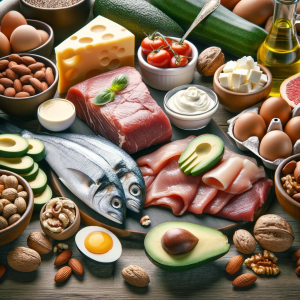
The Ketogenic Diet
Fundamentals of Keto
The ketogenic, or keto, diet is a high-fat, low-carbohydrate diet that has gained popularity in various circles, including those interested in longevity. By significantly reducing carbohydrate intake and replacing it with fat, this diet aims to put the body into a state of ketosis, where fat is burned for energy instead of carbohydrates.
Keto for Seniors: Benefits and Considerations
- Weight Loss and Metabolic Health: The keto diet is effective for weight loss, which can be particularly beneficial for seniors struggling with obesity. It also improves metabolic markers like blood sugar and cholesterol levels.
- Brain Health: There is emerging evidence suggesting that the keto diet may have neuroprotective effects, potentially beneficial in preventing cognitive decline.
- Reduced Inflammation: The diet’s impact on reducing inflammation can be advantageous for seniors dealing with chronic pain or inflammatory conditions.
However, seniors should approach the keto diet cautiously. It's essential to ensure a balanced intake of nutrients, and the diet may not be suitable for those with certain health conditions like kidney disease. Consulting with a healthcare provider before starting is crucial.
Implementing a Keto Diet in Senior Years
A typical day on a keto diet might start with eggs and avocado for breakfast, a salad with leafy greens and grilled chicken for lunch, and salmon with asparagus for dinner. Snacks could include nuts, cheese, or olives.
It's important for seniors to focus on healthy fats like olive oil, avocados, and fatty fish, rather than unhealthy fats found in processed foods. Additionally, maintaining hydration and mineral balance is vital, as the keto diet can alter electrolyte levels.
Long-Term Viability and Adaptations
While the keto diet can be beneficial, its long-term viability for seniors requires careful consideration. Adjustments may be necessary to accommodate individual health needs and to ensure a balanced and enjoyable diet.
Implementing a Keto Diet in Senior Years
Embarking on a ketogenic diet in the later years requires thoughtful planning and consideration, especially to ensure it caters to the unique nutritional needs of seniors.
- Starting with Balance: Begin with a balanced approach, incorporating a variety of nutrient-rich, keto-friendly foods. This includes lean meats, fatty fish like salmon and mackerel, eggs, dairy products like cheese and Greek yogurt, nuts and seeds, and low-carb vegetables such as leafy greens, broccoli, and cauliflower.
- Focus on Healthy Fats: Emphasize heart-healthy fats. Avocado, olive oil, nuts, and seeds provide essential fatty acids and help maintain healthy cholesterol levels. It’s crucial to avoid trans fats and limit saturated fats, opting instead for these healthier options.
- Adequate Protein Intake: Protein is vital for muscle maintenance and overall health. Seniors should include an adequate amount of protein in their diet from varied sources such as chicken, fish, eggs, and plant-based options like tofu and tempeh.
- Hydration and Electrolytes: The keto diet can lead to increased urination in the initial stages, leading to a loss of electrolytes and water. It’s essential to stay well-hydrated and consider supplementing with electrolytes if necessary, especially for seniors who might be more susceptible to dehydration.
- Monitoring and Adjustments: Regular monitoring by a healthcare professional is vital to ensure the diet is not adversely affecting health markers such as cholesterol, kidney function, and bone health. Adjustments to the diet may be necessary based on these health indicators and personal tolerance.
- Meal Planning and Preparation: To make the keto diet sustainable and enjoyable, seniors should plan their meals, ensuring variety and nutritional balance. Preparing meals ahead can help in maintaining the diet, especially for those with a busy lifestyle or limited mobility.
- Community and Support: Engaging with a community, whether online or in-person, can provide additional support and motivation. Sharing experiences, recipes, and tips with others following a keto lifestyle can be incredibly beneficial.
- Listening to the Body: Finally, it’s crucial to listen to the body’s signals. If the diet causes any discomfort, fatigue, or other adverse effects, it may need to be modified. The primary goal is to support health and wellbeing, and dietary choices should reflect this.
By paying attention to these aspects, seniors can effectively implement a ketogenic diet that not only contributes to their goal of longevity but also fits into a healthy and enjoyable lifestyle.

The Carnivore Diet
Exploring the Carnivore Approach
The carnivore diet, as the name suggests, consists almost entirely of animal products - meat, fish, eggs, and some dairy. It excludes plants, fruits, and vegetables. This high-protein, high-fat, and virtually zero-carb diet has gained attention for its purported benefits on weight loss, inflammation reduction, and simplicity of food choices.
The Rationale Behind Carnivore for Longevity
- Simplicity and Digestibility: The diet is straightforward, which can be appealing for those seeking simplicity in meal planning. Its focus on easily digestible foods can be beneficial for seniors with certain digestive issues.
- High in Nutrient-Dense Foods: Animal products are rich in essential nutrients like vitamin B12, iron, and omega-3 fatty acids, which are crucial for maintaining health in older adults.
- Potential Inflammatory and Autoimmune Benefits: Anecdotal evidence suggests that the carnivore diet may help in reducing inflammation and improving symptoms of autoimmune diseases.
Recommendations for Implementing a Carnivore Diet
- Diverse Protein Sources: Include a variety of meats such as beef, lamb, pork, and organ meats, which are nutrient-dense. Fatty fish like salmon provide omega-3 fatty acids, important for heart and brain health.
- Eggs and Dairy: Eggs are a nutrient powerhouse and can be a staple in this diet. For those who tolerate dairy, it can provide additional fat and calories, but should be consumed in moderation.
- Hydration and Electrolytes: Similar to the keto diet, the carnivore diet can affect hydration and electrolyte balance. It’s essential to drink plenty of water and consider electrolyte supplementation if needed.
A Day on the Carnivore Diet
- Breakfast: Start the day with eggs cooked in butter or ghee, with a side of bacon or sausage.
- Lunch: A steak or a serving of grilled chicken or fish, depending on personal preference.
- Dinner: Rotate between different types of meat such as pork chops, lamb, or more fish, ensuring variety.
- Snacks: If needed, small portions of cheese or boiled eggs can be good options.
Considerations and Long-Term Sustainability
While the carnivore diet may offer benefits, it is not without controversy and potential risks, especially for seniors. The lack of fiber and certain vitamins found in plants can be a concern. Therefore, it's essential to monitor health parameters closely and consult with a healthcare provider to ensure that the diet is balanced and suitable for individual health needs.
Adapting to Personal Needs
Seniors should consider their health conditions, digestive capabilities, and nutritional needs when adapting the carnivore diet. It may not be suitable for everyone, and a balanced approach, possibly including some plant foods, might be more beneficial in the long term.
Comparative Analysis: Plant-Based, Keto, and Carnivore Diets
Plant-Based Diet
Pros:
- Rich in Nutrients: High in vitamins, minerals, and fiber, supporting overall health and digestion.
- Heart Health: Associated with lower risk of heart disease due to low saturated fat and high fiber content.
- Weight Management: Helps in maintaining a healthy weight due to low-calorie, high-fiber foods.
- Reduced Disease Risk: Linked to a lower risk of chronic diseases like Type 2 diabetes and certain cancers.
Cons:
- Potential Nutrient Deficiencies: Risk of deficiencies in vitamin B12, iron, calcium, and omega-3 fatty acids.
- Requires Planning: Needs careful meal planning to ensure nutritional adequacy.
- May be Challenging for Some: Transitioning to a plant-based diet can be difficult for those used to meat-heavy diets.
Ketogenic Diet
Pros:
- Effective for Weight Loss: High fat and protein content can lead to a feeling of fullness and reduced calorie intake.
- May Improve Cognitive Function: Potential neuroprotective benefits, possibly reducing the risk of cognitive decline.
- Blood Sugar Control: Low carbohydrate intake helps in managing blood sugar levels.
Cons:
- Nutrient Imbalance: Risk of nutrient deficiencies due to limited food variety.
- Not Suitable for Everyone: May not be appropriate for seniors with certain health conditions like kidney disease.
- Long-Term Sustainability: Can be challenging to maintain in the long term due to restrictive nature.
Carnivore Diet
Pros:
- Simplicity in Meal Planning: Limited food choices make meal planning straightforward.
- High in Certain Nutrients: Rich in protein, vitamin B12, and iron.
- May Reduce Inflammation: Anecdotal reports of improved symptoms in autoimmune and inflammatory conditions.
Cons:
- Lack of Fiber: No fiber intake, which is essential for digestive health.
- Potential Health Risks: High intake of red and processed meat is linked to increased risk of heart disease and certain cancers.
- Limited Nutritional Variety: Excludes many nutrients and antioxidants found in plants.
Impact on Common Health Issues in Seniors
In considering these diets for seniors, it's crucial to evaluate how each diet aligns with common age-related health issues like heart disease, diabetes, cognitive decline, and digestive problems. While each diet has its merits, they also have limitations and potential risks. The choice of diet should be based on individual health status, nutritional needs, and medical advice.
Expert Opinions and Studies
Numerous studies and expert opinions highlight the importance of balanced nutrition in aging. A common recommendation is to focus on a diet that is sustainable, nutritionally balanced, and tailored to individual health needs rather than strictly adhering to one specific dietary approach.
Conclusion
As we've explored the nuances of plant-based, keto, and carnivore diets, it's clear that each approach offers unique benefits and challenges, especially for seniors. While there is no universal solution to the perfect longevity diet, understanding these different dietary paths can empower you to make informed choices that best suit your health needs and lifestyle preferences.
Remember, the journey to finding the right diet for longevity is a personal one. It involves considering your health history, current health status, and individual nutritional needs. Consulting with healthcare professionals and staying informed through reliable sources are crucial steps in this journey.
We encourage you to delve deeper into these dietary options. Education is a powerful tool in making lifestyle changes that can positively impact your longevity and quality of life. And what better way to stay informed and engaged than by joining a community of like-minded individuals?
Subscribe to the Live Longer Club for regular insights, updates, and detailed information about these diets and all things related to longevity. By becoming a part of our community, you gain access to a wealth of knowledge and support that can guide you in your quest for a healthier, longer life.
Thank you for joining us in this exploration of longevity diets. We hope this discussion has sparked your curiosity and inspired you to take steps towards a diet that not only nourishes your body but also enriches your golden years.
References
- Harvard T.H. Chan School of Public Health. “The Nutrition Source: Plant-Based Diet.” https://www.hsph.harvard.edu/nutritionsource/what-should-you-eat/plant-based-diet/
- Mayo Clinic. “Ketogenic Diet: Is the Ultimate Low-Carb Diet Good for You?” https://www.mayoclinic.org/healthy-lifestyle/nutrition-and-healthy-eating/expert-answers/ketogenic-diet/faq-20057904
- Cleveland Clinic. “Heart Health Benefits of a Plant-Based Diet.” https://health.clevelandclinic.org/heart-health-benefits-plant-based-diet/
- National Institute on Aging. “Cognitive Health and Older Adults.” https://www.nia.nih.gov/health/cognitive-health-and-older-adults
- American Heart Association. “What is the Carnivore Diet?” https://www.heart.org/en/healthy-living/healthy-eating/eat-smart/nutrition-basics/what-is-the-carnivore-diet
- National Institutes of Health. “Vitamin B12.” https://ods.od.nih.gov/factsheets/VitaminB12-Consumer/
- Johns Hopkins Medicine. “The Keto Diet and Brain Health.” https://www.hopkinsmedicine.org/health/wellness-and-prevention/the-keto-diet-and-brain-health