

Aging: Western vs Eastern Perspectives - Aging is a journey that every individual across the globe experiences, yet the way we understand and approach it varies significantly. At Live Longer Club, we recognize that our readers, primarily aged 55 and above, are not just concerned with adding years to their life, but life to their years. In this comprehensive exploration, we delve into the fascinating contrasts and similarities between Western and Eastern perspectives on aging. Whether it's the technologically driven Western approach focused on medical advancements or the Eastern philosophy that intertwines aging with spirituality and holistic well-being, each offers unique insights into achieving longevity.
Understanding Aging: A Universal Phenomenon
Aging, an inevitable biological process, is perceived differently across the world. While it is a universal phenomenon, cultural backgrounds significantly influence how aging is viewed and managed. In many cultures, aging is not just a biological process but a phase enriched with wisdom and life experiences. This section will explore how different cultures across the globe perceive aging, setting the stage for a deeper dive into the specific approaches of the West and the East. By understanding the global perspective, we can better appreciate the nuances that make the Western and Eastern views on aging uniquely beneficial.
Western Perspectives on Aging

In Western societies, aging is often approached through a scientific and medical lens. The focus here is on prolonging life and combating the signs of aging with advanced medical treatments and technology. This perspective is heavily influenced by a healthcare system that emphasizes preventive medicine, early diagnosis, and cutting-edge research in gerontology.
Lifestyle choices are also a significant factor in the Western approach to aging. Diet, exercise, and mental health are key areas of focus, with an emphasis on individual responsibility for health and well-being. Societal attitudes in the West often lean towards celebrating youth, which can lead to a less positive view of aging. However, this is changing as more people embrace aging as a natural and valuable stage of life.
Statistics show that in Western countries, the average life expectancy has been steadily increasing, thanks to medical advancements and improved living conditions. Examples from countries like the United States and the UK illustrate how technological innovation and healthcare policies contribute to this trend.
Eastern Perspectives on Aging
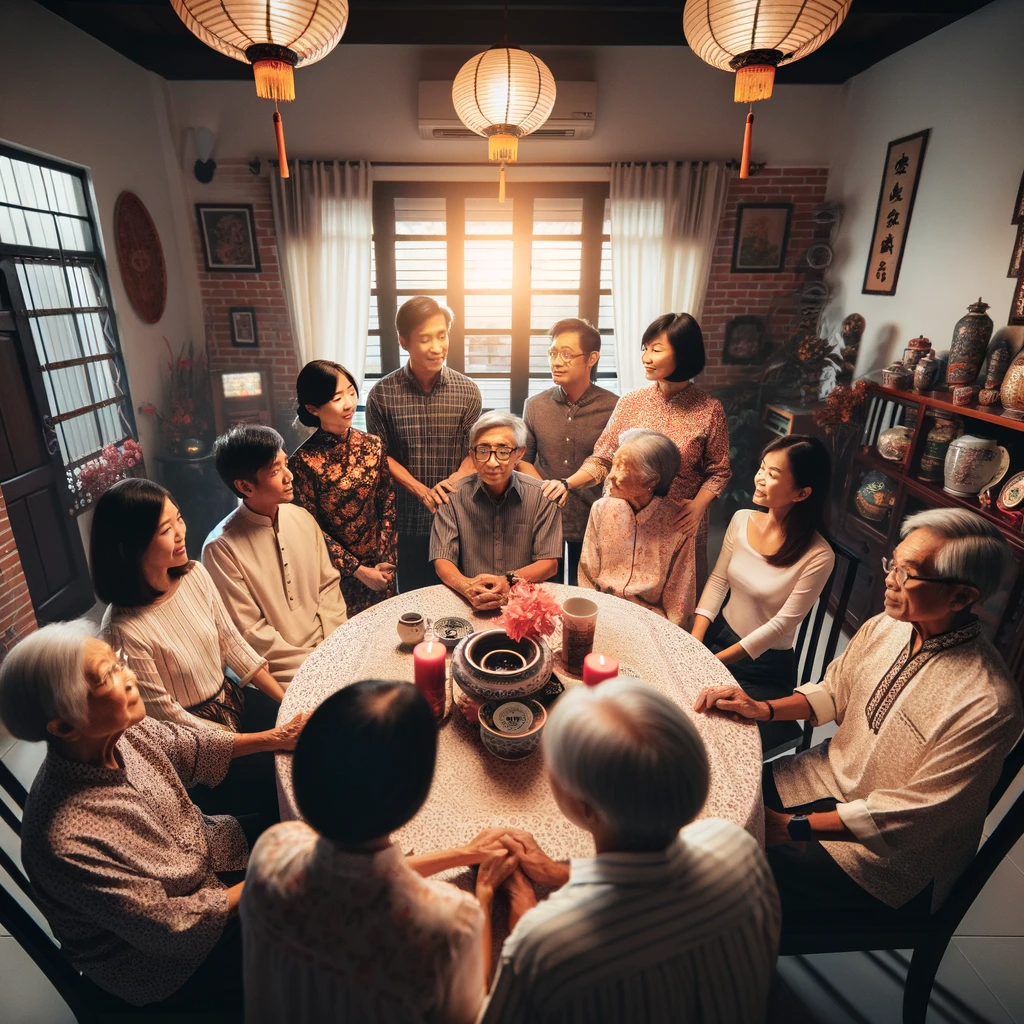
In contrast to the West, Eastern cultures often embrace a more holistic approach to aging. This perspective is deeply rooted in centuries-old traditions and philosophies such as Confucianism, Taoism, and Buddhism, which view aging as a natural and respected phase of life. In countries like Japan and China, elders are revered for their wisdom and experience, playing vital roles in family and community.
The Eastern approach to longevity is not solely focused on combating aging, but rather on living in harmony with it. Practices like traditional Chinese medicine, Ayurveda, and yoga emphasize balance, harmony, and the flow of energy (Qi or Prana) in the body. These practices advocate for preventative care, focusing on maintaining a balance of physical, mental, and spiritual health to ease the aging process.
In Eastern societies, the community plays a significant role in supporting the elderly. Family structures often include multiple generations living under one roof, providing a support system that fosters emotional well-being and social engagement for older adults.
Examples from Eastern countries demonstrate how these cultural and holistic practices contribute to longevity. For instance, Japan has one of the highest life expectancies in the world, which is often attributed to a combination of diet, community support, and traditional health practices.
Comparative Analysis: Western vs. Eastern Approaches
When comparing Western and Eastern perspectives on aging, several key differences and potential synergies emerge. The Western approach, with its emphasis on medical technology and individual lifestyle choices, excels in managing and treating age-related diseases. It offers a framework for understanding the biological aspects of aging and provides solutions to extend life expectancy through science.
On the other hand, the Eastern perspective, with its holistic approach, excels in integrating mental, spiritual, and physical well-being. It emphasizes living in harmony with the aging process, valuing the wisdom of elders, and maintaining a balanced lifestyle. This approach fosters a more positive societal attitude towards aging and encourages preventative health practices.
Both perspectives have their advantages and challenges. The Western model can sometimes lead to a focus on treating symptoms rather than promoting overall well-being. The Eastern approach, while holistic, may lack the scientific rigor and advancements in medical technology that characterize the Western approach.
By comparing these two perspectives, we can see the potential for integrating the best of both worlds – combining Western medical advancements with Eastern holistic practices – to create a more comprehensive and effective approach to aging.
Integrating Best Practices for Longevity
The key to a balanced approach to aging lies in integrating the strengths of both Western and Eastern perspectives. By combining Western medical advancements and Eastern holistic practices, individuals can create a comprehensive longevity plan that addresses both the physical and mental aspects of aging.
From the Western perspective, adopting preventive healthcare measures, staying informed about medical advancements, and making informed lifestyle choices regarding diet and exercise are essential. Regular health check-ups, vaccinations, and early detection of health issues play a significant role in prolonging life and improving its quality.
Simultaneously, embracing Eastern practices can enhance mental and spiritual well-being. Incorporating mindfulness, meditation, yoga, or Tai Chi into daily routines can help manage stress, improve mental clarity, and maintain physical flexibility. Eastern dietary practices, focusing on natural and balanced meals, can complement Western dietary advice.
The integration of these practices requires an open mind and a willingness to learn from different cultures. It's about creating a personalized approach that resonates with one’s values and lifestyle while being open to new ideas and practices.
By combining the best of both worlds, individuals can not only aim for a longer life but also ensure that these additional years are lived with a better quality of life, full of vitality, purpose, and well-being.
Conclusion

In conclusion, the journey of aging is a complex and multifaceted experience that can be enriched by drawing insights from both Western and Eastern perspectives. While the Western approach provides a strong foundation in medical science and individual health management, the Eastern perspective offers a holistic view that encompasses mental, spiritual, and community wellness.
As members of the Live Longer Club, our aim is not just to extend our years but to fill those years with quality, joy, and purpose. By embracing the strengths of both Western and Eastern approaches to aging, we can create a balanced, comprehensive strategy for longevity that honors our bodies, minds, and spirits.
We encourage our readers to explore these diverse perspectives and integrate them into their lives. Remember, the journey of aging is not just about adding years to life, but more importantly, adding life to years.
Further Reading
Books
- "The Art of Growing Old: A Guide to Faithful Aging" by Carroll Saussy
- A comprehensive exploration of aging from a Western perspective, focusing on physical, mental, and spiritual aspects.
- URL: www.amazon.com/The-Art-Growing-Old-Faithful/dp/0806626026
- "Healthy Aging: A Lifelong Guide to Your Well-Being" by Andrew Weil
- Dr. Weil provides insights into aging gracefully, combining modern medicine with natural and holistic methods.
- URL: www.amazon.com/Healthy-Aging-Lifelong-Guide-Well-Being/dp/0307277542
- "Ikigai: The Japanese Secret to a Long and Happy Life" by Héctor García and Francesc Miralles
- This book explores the Japanese concept of Ikigai and its impact on longevity and happiness.
- URL: www.amazon.com/Ikigai-Japanese-Secret-Long-Happy/dp/0143130722
Articles
- "How Different Cultures Understand Time" by Business Insider
- An article discussing the perception of time and aging in various cultures.
- URL: www.businessinsider.com/how-different-cultures-understand-time-2014-5
- "Eastern vs. Western Medicine" by Verywell Health
- An insightful comparison of Eastern and Western medical practices.
- URL: https://www.ncbi.nlm.nih.gov/pmc/articles/PMC1238216/
- "Ageing in the Twenty-First Century: A Celebration and A Challenge" by the United Nations
- This UN article provides a global perspective on aging.
- URL: www.unfpa.org/publications/ageing-twenty-first-century
Studies
- "Cross-Cultural Perspectives on Aging and Health: A Comparison between Japan and the United States" (Study)
- This study compares aging and health-related practices in Japan and the U.S.
- URL: www.ncbi.nlm.nih.gov/pmc/articles/PMC6149586/
- "The Role of Spirituality in Health Care" (Proceedings of Baylor University Medical Center)
- A study on the role of spirituality in healthcare, relevant to Eastern perspectives.
- URL: www.ncbi.nlm.nih.gov/pmc/articles/PMC1305900/
- "Global Health and Aging" (World Health Organization Report)
- WHO report providing insights into global aging trends and health implications.
- URL: https://www.who.int/news-room/fact-sheets/detail/ageing-and-health