

Climate Change and Elderly Vulnerability - According to some scientists, climate change is no longer a distant threat; it's a present reality that affects us all, especially the elderly among us. As we advance in age, our concerns about health and longevity grow, and understanding how the changing climate impacts these aspects becomes crucial. In this comprehensive guide, we'll explore the often-overlooked connection between climate change and elderly vulnerability. We delve into why those over 55 need to be particularly aware of these changes and what can be done to mitigate the risks. Join us in this insightful journey as we navigate the challenges and opportunities presented by climate change, with a focus on preserving and enhancing our longevity.
Understanding Climate Change
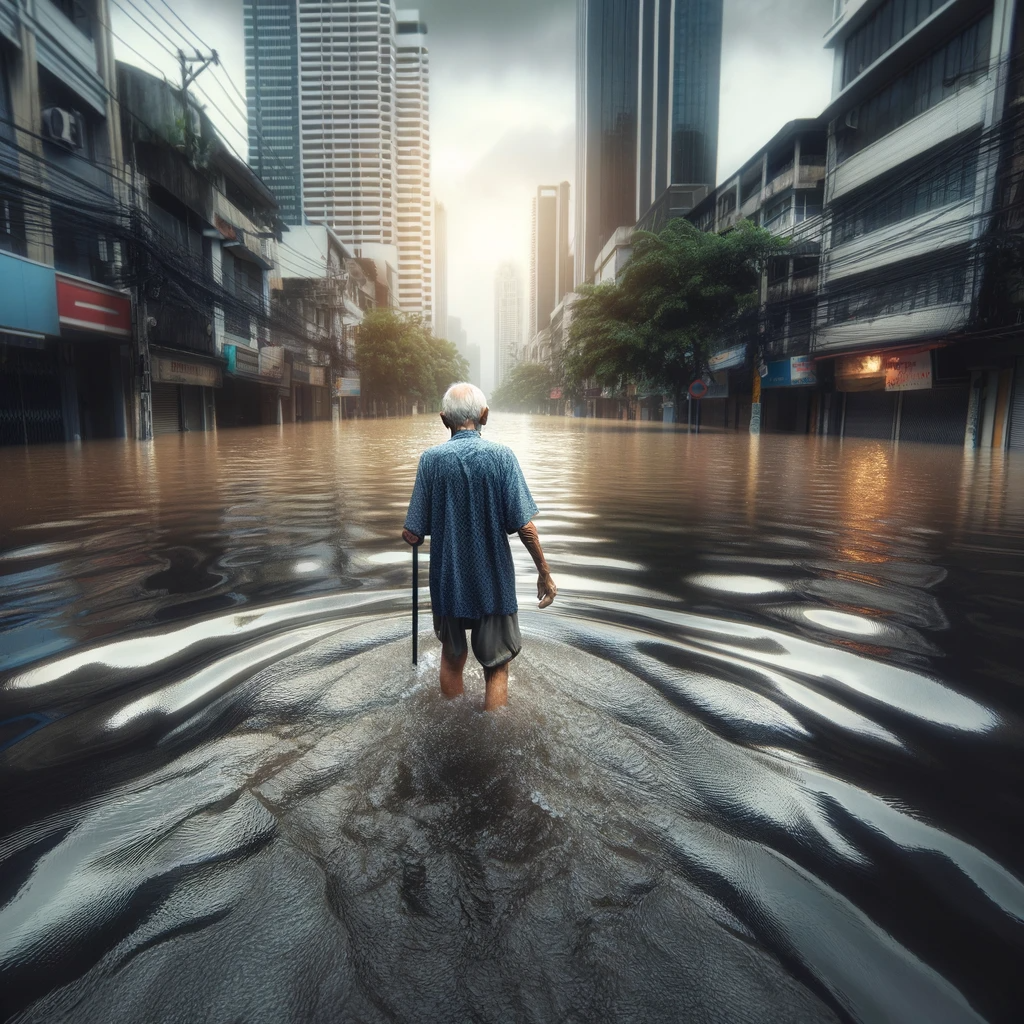
The Basics of Climate Change
Climate change refers to significant, long-term changes in the global climate patterns. It's primarily driven by human activities, notably the burning of fossil fuels, which increases the concentration of greenhouse gases in the Earth's atmosphere. This phenomenon leads to global warming, erratic weather patterns, and extreme climatic events.
Global Impact on Health
The health implications of climate change are profound. Extreme weather events, like heatwaves and cold snaps, directly affect our wellbeing. Additionally, climate change exacerbates air pollution, increases the spread of infectious diseases, and can lead to food and water shortages. These impacts are felt globally but vary in intensity based on geographic location and community resilience.
Climate Change and Elderly Health
For the elderly, these changes are particularly concerning. As we age, our bodies become less efficient at regulating temperature, making us more susceptible to heat and cold stress. The increase in air pollution can aggravate respiratory and cardiovascular conditions, common in older adults. Moreover, disruptions in food supply and healthcare services due to extreme weather events can have a more significant impact on those with limited mobility or chronic health conditions.
In this context, understanding climate change is not just about environmental awareness; it's about safeguarding our health and longevity.
Elderly Vulnerability in a Changing Climate
Why are the Elderly More Vulnerable?
The elderly population faces unique challenges when it comes to climate change. Age-related physiological changes, such as decreased thermoregulation and weakened immune systems, make older adults more susceptible to the adverse effects of climate variations. Additionally, many seniors live with chronic health conditions that can be exacerbated by environmental stressors.
Health Risks Associated with Climate Change
- Heat-Related Illnesses: With climate change leading to more frequent and intense heatwaves, the risk of heat-related illnesses like heat stroke and dehydration increases, particularly for the elderly.
- Worsening of Chronic Conditions: Changes in climate can worsen chronic conditions such as heart disease, respiratory illnesses, and diabetes.
- Mental Health Impact: The stress and anxiety caused by climate-related disasters can have a profound impact on mental health, especially for those already dealing with cognitive decline or mental health issues.
- Increased Exposure to Pollutants: Air quality tends to deteriorate with rising temperatures, leading to increased exposure to pollutants which can be harmful to the elderly, who often have pre-existing respiratory and cardiovascular conditions.
The Need for Targeted Support
Understanding these vulnerabilities is crucial for developing targeted strategies to support the elderly in the face of climate change. This includes not only healthcare adaptations but also community and infrastructure support to ensure their safety and wellbeing.
Protective Measures Against Climate Change for the Elderly
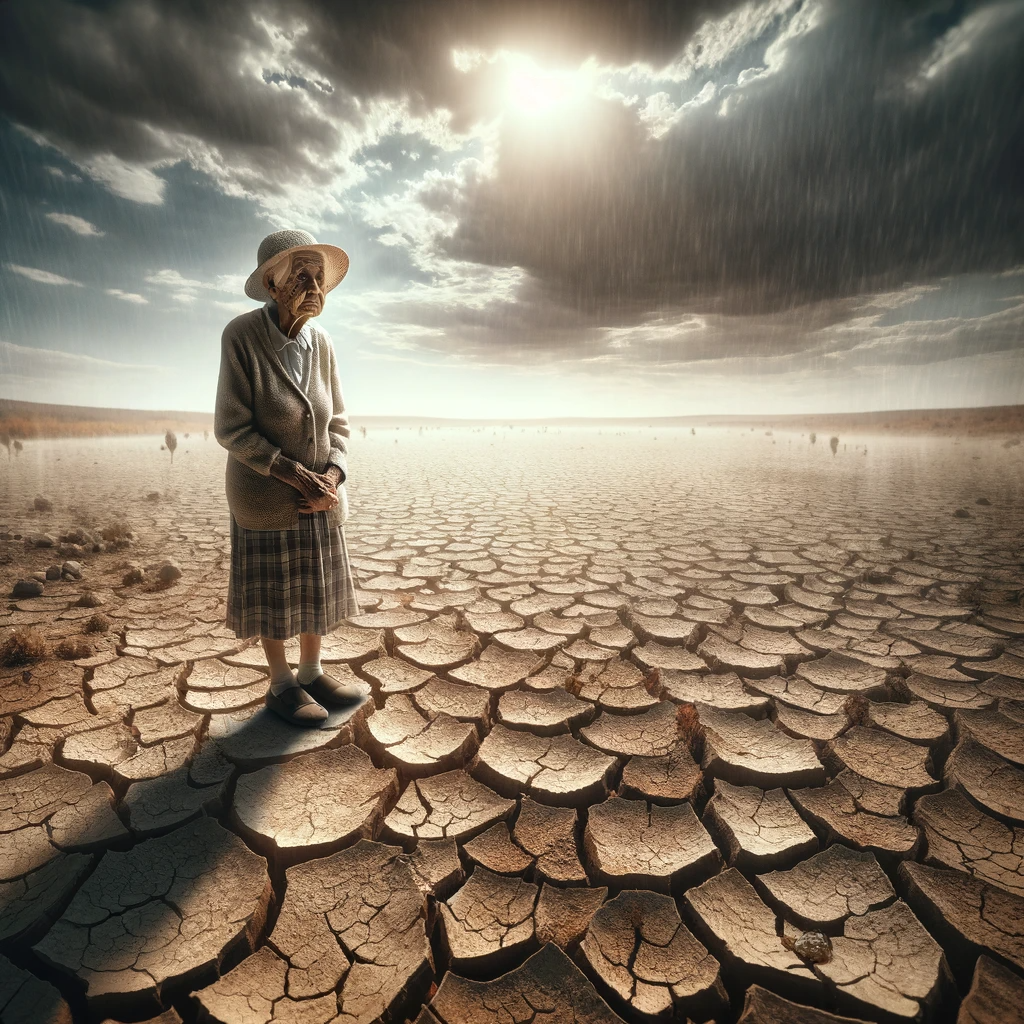
Adapting Homes for Climate Resilience
Creating a safe living environment is crucial in protecting the elderly from climate change. This includes:
- Heat-proofing homes: Installing air conditioners, using thermal curtains, and ensuring proper insulation can help in managing extreme temperatures.
- Emergency preparedness: Having a plan for natural disasters, including easy access to emergency kits, is essential.
Healthcare Adjustments
Adapting healthcare to meet the challenges posed by climate change involves:
- Regular health check-ups: Monitoring health conditions more closely, especially during extreme weather events.
- Medication management: Ensuring medications are stored correctly and not affected by temperature changes.
Lifestyle Modifications
Simple lifestyle changes can significantly mitigate the effects of climate change on health:
- Staying hydrated: Increased emphasis on hydration, especially during heatwaves.
- Dietary adjustments: Consuming foods that help in maintaining body temperature and overall health.
Community and Social Support
The role of community and social networks in supporting the elderly is vital:
- Community cooling centers: Access to community spaces that offer relief during heatwaves.
- Social support networks: Ensuring that the elderly have a support system to rely on during extreme weather events.
Leveraging Technology
Technology can be a powerful ally in ensuring the safety and wellbeing of the elderly:
- Climate apps and alerts: Utilizing apps that provide real-time climate alerts and advice.
- Telehealth services: Using telehealth for medical consultations during adverse weather conditions.
Longevity and Adaptation Strategies
Embracing Lifestyle Changes for Better Health
Adapting to the challenges posed by climate change can significantly impact longevity, especially for the elderly. Some key lifestyle changes include:
- Staying Active: Engaging in physical activities that are suitable for older adults can boost immunity and overall health, helping to combat the effects of climate change.
- Mindful Eating: A balanced diet rich in antioxidants and essential nutrients can fortify the body against environmental stressors.
Technology as a Tool for Longevity
In the age of technology, several innovations can help the elderly cope with climate change:
- Environmental Control Devices: Smart home systems that regulate temperature and air quality can create a safer living environment.
- Wearable Health Monitors: Devices that track vital signs can alert seniors and caregivers to potential health issues early.
Mental and Emotional Resilience
Building mental and emotional resilience is crucial in adapting to climate change:
- Mindfulness and Stress Management: Techniques such as mindfulness and meditation can help manage the stress related to environmental changes.
- Community Engagement: Staying connected with the community provides emotional support and a sense of belonging, which is vital for mental health.
Education and Continuous Learning
Staying informed about climate change and its effects empowers the elderly to make better health decisions:
- Participating in Educational Programs: Joining workshops or online courses about climate change can provide valuable insights into managing its impacts.
- Staying Updated with Reliable Information: Regularly accessing trustworthy news sources for updates on climate change and health recommendations.
Case Studies and Success Stories
Inspiring Individuals Tackling Climate Change
- John's Green Thumb: At 68, John transformed his backyard into a sustainable garden, growing his own vegetables and fruits. His initiative not only provides him with fresh, healthy food but also contributes to a better environment by reducing carbon footprint.
- Maria's Water Conservation Efforts: Maria, a 72-year-old retired teacher, started a community project in her neighborhood to conserve water. By installing rainwater harvesting systems and educating her community about water conservation, she's helping combat the effects of droughts exacerbated by climate change.
Communities Leading the Way
- A Village's Renewable Energy Revolution: A small village predominantly inhabited by seniors embraced solar energy, reducing their reliance on fossil fuels. This initiative not only cut down their energy bills but also decreased the village's carbon emissions significantly.
- Senior-Centric Climate Resilience Programs: Some communities have developed programs specifically designed to help the elderly cope with climate-related challenges. These include heatwave preparedness workshops and disaster response training.
Lessons Learned and Their Relevance
These stories not only inspire but also teach valuable lessons:
- Proactive Approach: Taking proactive steps, no matter how small, can make a significant difference in combating the effects of climate change.
- Community Involvement: Engaging with the community can lead to greater impact and foster a supportive network for the elderly.
Conclusion and Call to Action
As we've explored throughout this article, climate change is a pressing issue that particularly affects the elderly. However, with awareness and proactive measures, the challenges posed by a changing climate can be managed, contributing significantly to our health and longevity.
Key Takeaways
- Vulnerability of the Elderly: Understanding the unique vulnerabilities of the elderly to climate change is the first step in protecting this demographic.
- Adaptive Measures: Simple lifestyle changes, technological adaptations, and community support can significantly mitigate the impact of climate change on the elderly.
- Role of Individual and Community Actions: The success stories we've seen underscore the power of individual and community efforts in combating the effects of climate change.
Moving Forward
It's crucial for each of us, especially those in our senior years, to take an active role in adapting to and mitigating the effects of climate change. We encourage you to:
- Stay Informed: Keep abreast of the latest information on climate change and its impact on health and longevity.
- Get Involved: Participate in community efforts or start your own initiatives to combat the effects of climate change.
- Share Knowledge: Educate your peers about the importance of climate resilience and share strategies to cope with its impacts.
Together, we can create a more sustainable and healthier environment, ensuring a better quality of life for ourselves and future generations. Remember, every small action counts in our collective fight against climate change.
Thank you for joining us on this journey. Let's continue to strive for a healthier, longer, and more fulfilling life, even in the face of environmental challenges.
Further Reading
Books
- "The Uninhabitable Earth: Life After Warming" by David Wallace-Wells.
- A profound book on the potential impacts of climate change.
- URL: www.amazon.com/The-Uninhabitable-Earth-Life-Warming/dp/0525576703
- "Climate Change and Public Health" edited by Barry S. Levy and Jonathan A. Patz.
- This book offers a comprehensive view of the health implications of climate change.
- URL: www.amazon.com/Climate-Change-Public-Health-Levy/dp/0190202452
- "Aging and Vulnerability to Environmental Chemicals: Age-related Disorders and their Origins in Environmental Exposures" by Bernard Weiss.
- Focuses on environmental health risks, including those posed by climate change, particularly for the elderly.
- URL: www.amazon.com/Aging-Vulnerability-Environmental-Chemicals-Exposures/dp/1849732919
Articles
- "Climate Change and the Health of Older Adults" by the Environmental Protection Agency (EPA).
- A detailed article discussing how climate change affects older adults.
- URL: www.epa.gov/climatechange/impacts-health-older-adults
- "How Older People Will Suffer Most from Climate Change" by The Guardian.
- An insightful article on the vulnerability of the elderly to climate change.
- URL: https://www.theguardian.com/world/2014/nov/27/ageing-population-will-compound-deadly-effects-of-heatwaves-caused-by-climate-change
- "Climate Change and the Elderly: What We Know and What We Don’t" by Yale Environment 360.
- Provides an analysis of the specific risks of climate change to the elderly.
- URL: https://e360.yale.edu/features/freeman_dyson_takes_on_the_climate_establishment
Studies
- "The Impact of Climate Change on the Health of Older Adults: A Review of the Literature" published in Environmental Health.
- A comprehensive review of literature on how climate change impacts the health of the elderly.
- URL: www.ehjournal.biomedcentral.com/articles/10.1186/1476-069X-11-20
- "Global Climate Change and Health: An Old Story Writ Large" by A.J. McMichael, in the journal Global Environmental Change.
- This study explores the broader impacts of climate change on health, including implications for the elderly.
- URL: https://www.ncbi.nlm.nih.gov/pmc/articles/PMC8991045/
- "Climate Change, Heat Waves, and Mortality Projections for Elderly in Developing Countries" published in Environmental Research Letters.
- Focuses on future projections of heatwave-related mortality among the elderly due to climate change.
- URL: https://www.nature.com/articles/s41612-023-00487-z