

Welcome to our exploration into the remarkable world of longevity in the animal kingdom, a journey that not only fascinates us but also holds crucial lessons for our own lives. Have you ever wondered how some animals live exceptionally long lives, and what secrets they hold that could help us enhance our health and longevity? As we delve into this intriguing topic, we'll uncover the secrets of these resilient creatures, and most importantly, explore how their lifespans can offer valuable insights for those of us, particularly aged 55 and older, aspiring to live longer, healthier lives.
The Longevity Champions in the Animal Kingdom
Turtles and Tortoises – Symbols of Longevity
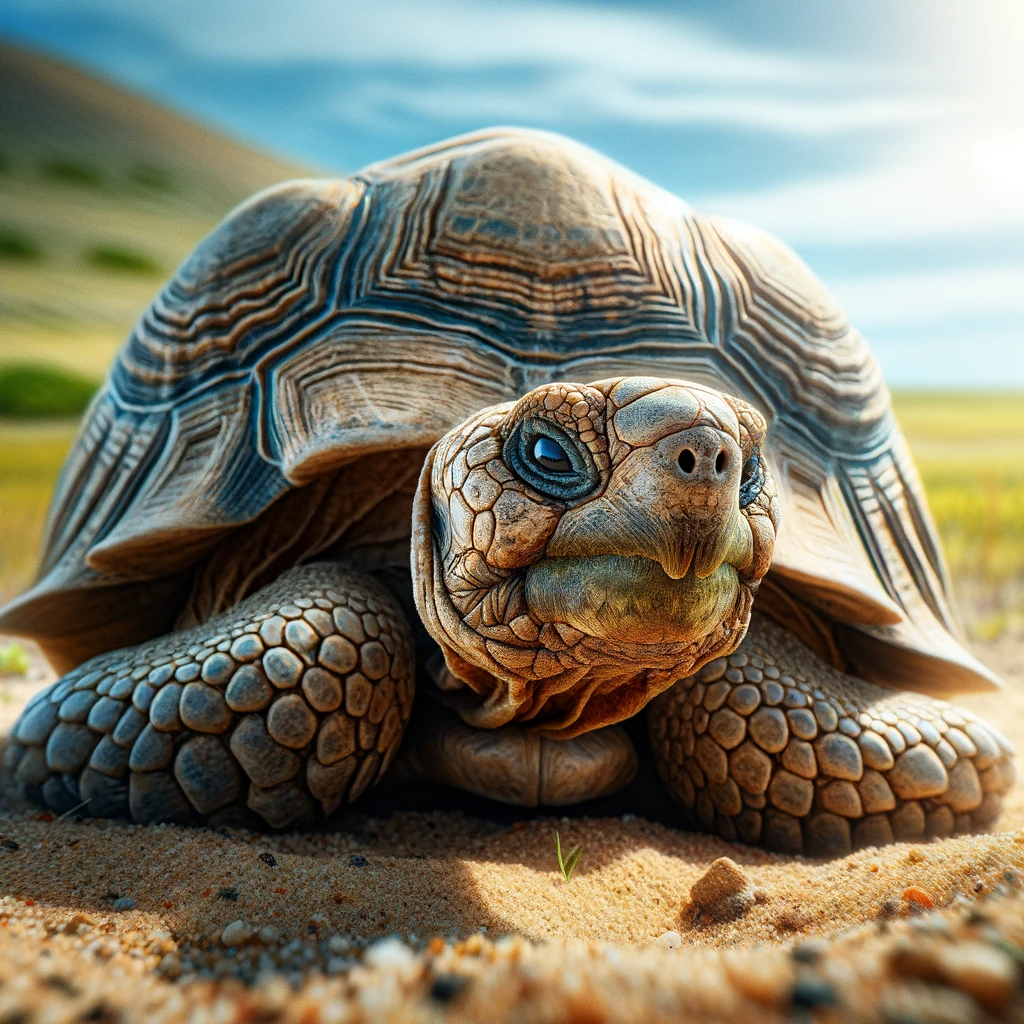
Turtles and tortoises have long been synonymous with longevity, often living well beyond a human lifespan. The secret to their extended years? A slow metabolism and a stress-free lifestyle. For instance, the Galapagos tortoise, known to live over 100 years, teaches us the value of pacing ourselves and the impact of stress on our health. Their resilient nature in varied environments also speaks to the importance of adaptability in our own lives.
Whales – The Giants of Longevity
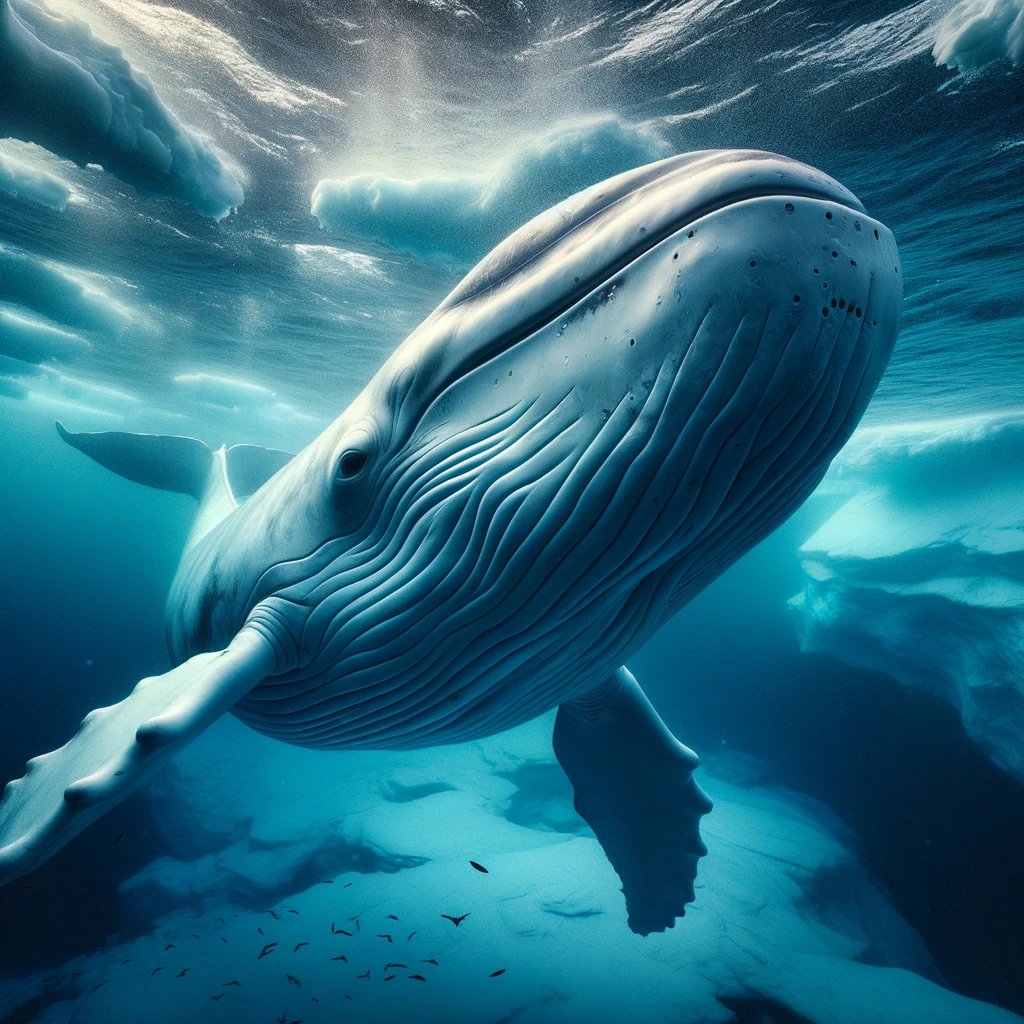
The whale, particularly the Bowhead whale, is another marvel in the longevity realm. Some Bowhead whales have been estimated to live over 200 years. Their longevity is attributed to their unique genetic makeup and the cold ocean waters they inhabit. These gentle giants of the sea highlight the significance of genetics and environment in determining lifespan, offering a perspective on how our surroundings and hereditary factors play a role in our own longevity.
Birds – Parrots and Their Long Lives

Parrots, especially species like the Macaw, are known for their surprisingly long lifespans, with some living up to 80 years. The key to their longevity is believed to be their rich, varied diet and the constant mental stimulation they receive in the wild. This aspect of their life draws a parallel to the human need for a balanced diet and mental engagement, underscoring the importance of mental and physical health in our quest for a longer life.
Scientific Studies on Animal Longevity
Research on Aging in Animals
The scientific community has been increasingly interested in understanding how and why certain animals age differently. For example, studies on naked mole rats, known for their resistance to cancer and longevity, have provided insights into cellular mechanisms that could be key in human aging. These small mammals demonstrate the potential of genetic and molecular studies in unraveling the mysteries of a longer, healthier life.
Genetic Insights from Long-Lived Species
Genetic studies, especially on long-lived species like some whales and birds, have revealed that genes related to DNA repair, cancer resistance, and reduced metabolic stress play a significant role in their extended lifespans. These findings are pivotal as they offer a roadmap for human genetic research and interventions that could enhance our longevity. Understanding these genetic factors opens the door to potential advancements in human medicine, especially in combating age-related diseases.
What Animal Longevity Studies Mean for Humans
The broader implication of these animal studies is their potential application in human health. Research on animals with exceptional longevity not only broadens our understanding of the aging process but also guides the development of new treatments and lifestyle recommendations for humans. These studies underscore the possibility of applying animal longevity strategies to improve human health span, aiming not just for a longer life, but a healthier and more vibrant one.
Learning from Animals: Diet and Environment
The Role of Diet in Animal Longevity
Diet plays a pivotal role in the longevity of many animals. For instance, elephants, renowned for their long lives, consume a diet rich in fruits, vegetables, and herbs, which are high in antioxidants and anti-inflammatory compounds. This mirrors the growing human research advocating a plant-based diet for its numerous health benefits, including potentially extending lifespan. Similarly, the diet of long-lived sea creatures like certain fish species, rich in omega-3 fatty acids, draws a parallel to the benefits these nutrients have in human cardiovascular health.
The Impact of Environment on Lifespan
The environment is another critical factor in the longevity of animals. For example, the harsh, cold habitat of the Arctic fox has led to adaptations that contribute to its robust health and longevity. This suggests the importance of our own environment in shaping our health. It prompts discussions on how we can modify our living spaces and lifestyles to emulate aspects of these beneficial environments, like ensuring clean air and reducing exposure to harmful elements.
Applying Animal Diet and Environment Lessons to Humans
What we learn from these animals can be transformative in how we approach our diet and environment. By adopting diets that are nutrient-rich and low in processed foods, and by creating living spaces that support our wellbeing, we can take practical steps towards enhancing our longevity. The key takeaway is the integration of lessons from the animal kingdom into our daily lives, emphasizing the importance of natural, wholesome diets and healthy, clean environments.
Animal Social Structures and Mental Health
Social Bonds and Longevity in Animals
Social connections in the animal kingdom have a profound impact on longevity. Elephants, known for their strong social bonds, often live longer in environments where they can maintain these connections. Similarly, dolphins, which live in closely-knit pods, exhibit traits of long life. This highlights the importance of social interactions and bonds in enhancing lifespan, a concept equally applicable to humans. Studies have shown that strong social ties and community involvement can significantly contribute to longer, healthier lives in people.
Mental Stimulation and Lifespan
Mental stimulation and engagement are vital for longevity, as seen in various animal species. Birds like crows and parrots, which engage in complex problem-solving and social interactions, tend to have longer lifespans. This aspect of their life underscores the importance of mental activity in prolonging life. For humans, this translates to the benefits of continually engaging the mind through learning, problem-solving, and social interactions, thereby maintaining cognitive health and potentially extending lifespan.
Human Applications - Social Connections and Mental Health
Drawing from these animal examples, it becomes clear that fostering strong social networks and engaging in mental activities are crucial for human longevity. Activities that promote social interaction, such as community involvement, and those that challenge the mind, like puzzles, learning new skills, or engaging in creative endeavors, can be integral to not just living longer, but also living well. Emphasizing the importance of mental health and social well-being is essential in any discussion about longevity.
The Role of Physical Activity in Animal Longevity
Exercise and Movement in the Animal Kingdom
Physical activity is a common trait among many long-lived animal species. Take, for instance, the majestic horses and deer, known for their frequent movement and stamina, which contribute to their overall health and longevity. Birds, too, with their constant flying and foraging activities, exhibit a lifestyle of continuous movement. These examples underline the critical role of regular physical activity in maintaining health and extending lifespan, a principle that is directly applicable to human health and well-being.
Lessons for Human Physical Activity and Health
The lesson for us is clear: consistent physical activity is essential for a long and healthy life. It's not just about intense exercise; it's about incorporating regular movement into our daily lives, much like these animals. For humans, especially those over 55, this could translate into activities like walking, swimming, gentle yoga, or tai chi. These forms of exercise are not only beneficial for physical health but also for mental well-being, highlighting the interconnected nature of physical and mental health in the pursuit of longevity.
Integrating Movement into Everyday Life
The key takeaway is integrating movement into our daily routine, drawing inspiration from the animal kingdom. Simple changes, like taking the stairs instead of the elevator, gardening, or even short, regular walks, can make a significant difference. Embracing an active lifestyle can help in emulating the natural habits of these long-lived animals, leading to a healthier, more vibrant life.
Conclusion and Takeaways
As we come to the end of our fascinating journey through the world of animal longevity, it's important to reflect on the key insights and how they can be applied to our lives, especially for those of us in the 55 and older age group. We've explored the remarkable lifespans of various animal species and uncovered the secrets to their longevity, from the slow and steady tortoise to the socially connected elephant.
Summarizing Key Insights from Animal Longevity Studies
The key lessons from these animals revolve around the importance of a healthy diet, a clean and supportive environment, strong social bonds, regular mental stimulation, and consistent physical activity. These elements contribute significantly to the extended lifespans of many animals and offer valuable guidance for enhancing human health and longevity.
Encouraging Readers to Incorporate These Lessons Into Their Lives
We encourage you to take these lessons to heart. Consider how you can integrate healthier eating habits, more physical activity, and better social and mental engagement into your daily routine. Small, consistent changes can lead to significant improvements in your health and potentially, your lifespan.
Closing Thoughts on the Future of Longevity Research
The future of longevity research is incredibly promising, with ongoing studies in both animals and humans. As we continue to learn more about what contributes to a long and healthy life, the potential for applying these learnings to enhance our own lives grows ever greater. We look forward to sharing more insights and breakthroughs with you here at livelongerclub.com.
Additional Resources and References
For those interested in delving deeper into this topic, we've compiled a list of resources and references, which you can find below. These include scientific studies, books, and articles that offer more detailed insights into the fascinating world of animal longevity and its implications for human health.
- "The Blue Zones: Lessons for Living Longer from the People Who've Lived the Longest" by Dan Buettner
A book that, while focusing on human longevity, offers valuable insights applicable to our discussion. - "Why Elephants Rarely Get Cancer: An Evolutionary Study" - The institute of cancer research
A detailed scientific study on the genetic factors contributing to cancer resistance in elephants, offering insights into longevity. - "Unlocking the Secrets of Longevity Genes" - Scientific American
An article that discusses the genetic research in animals that has implications for human aging. - "Pet’s influence on humans’ daily physical activity and mental health: a meta-analysis" Catarina F. Martins et al.
This study explores the connection between physical activity in animals and the lessons it provides for human health. - "Does diet influence aging? Evidence from animal studies" - David G Le Couteur et al.
A comprehensive article on how diet influences lifespan in various animal species. - "Social Relationships and Mortality Risk: A Meta-analytic Review" - PLOS Medicine
This research paper highlights the impact of social relationships on mortality, relevant to our discussion on animal social structures.
https://journals.plos.org/plosmedicine/article?id=10.1371/journal.pmed.1000316
Please note that while these resources offer valuable information, it's always recommended to consult with healthcare professionals for personalized advice related to health and longevity.