

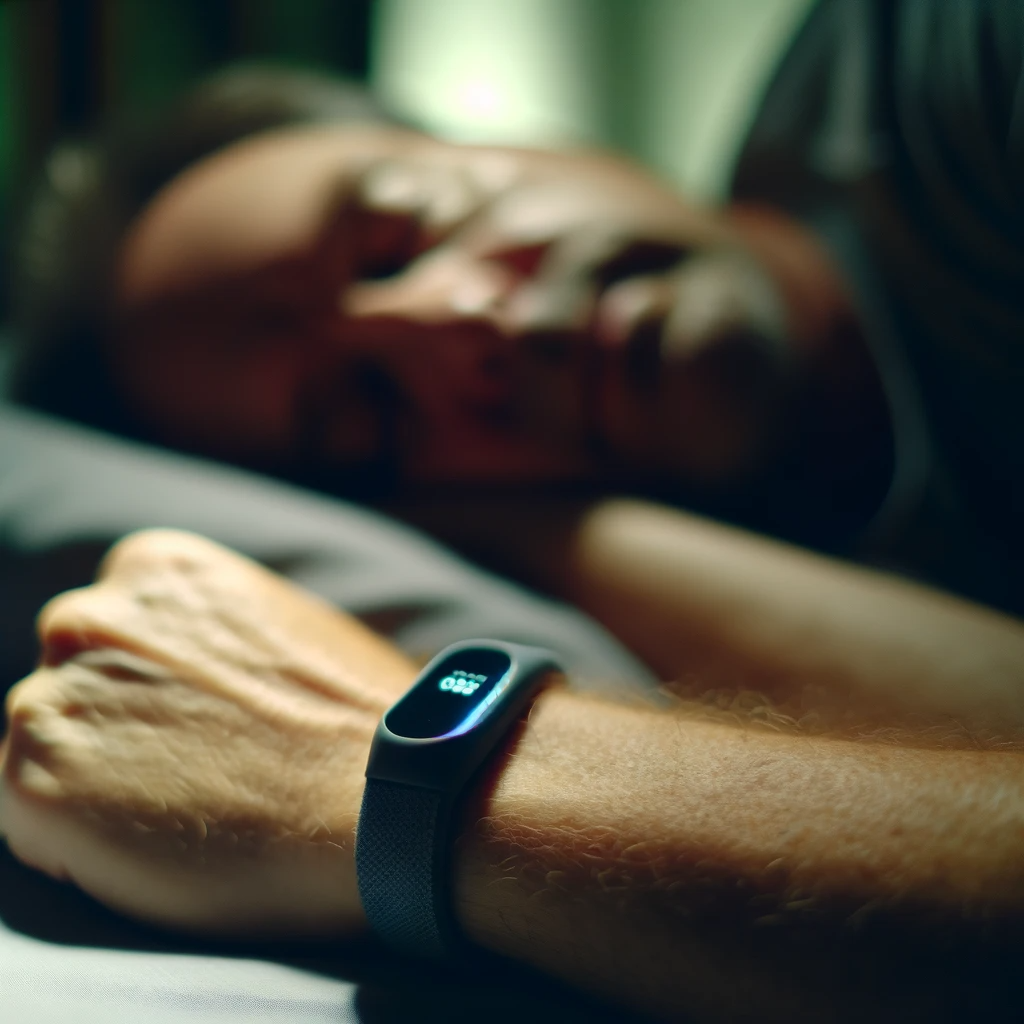
In an era where technology has become an integral part of our daily lives, wearable devices for health monitoring are rapidly gaining traction. These gadgets are not just about tracking steps or monitoring sleep; they have evolved into sophisticated tools capable of providing comprehensive health insights.
Understanding Wearable Health Devices
The Evolution of Wearable Devices
In recent years, there has been a significant shift in the wearable device industry. Initially, these devices were predominantly used for fitness tracking, but today, they play a crucial role in continuous health monitoring, disease management, and research. Wearable devices now offer a more holistic approach to health, tracking a range of physiological measurements.
The Role of Wearable Devices in Health Monitoring
Wearable health devices have become powerful tools for proactive health management. They enable continuous monitoring of vital biomarkers, such as glucose levels and blood pressure, which are crucial for predicting health risks like strokes or heart attacks. Moreover, these devices can provide a holistic view of an individual's health by monitoring multiple biomarkers simultaneously.

The Benefits of Wearable Devices for the 55+ Age Group
Enhanced Health Insights
Wearable devices offer invaluable insights into their health status. They help in tracking and managing chronic conditions, such as diabetes and hypertension, by providing real-time data. This data is crucial in making informed decisions about your diet, exercise, and medication.
Promoting Independence and Safety
These devices also play a vital role in promoting independence and safety among older adults. Features like fall detection and emergency alerts can provide peace of mind for both the users and their families. Furthermore, devices equipped with GPS can be helpful for those with conditions like dementia, ensuring their safety and location.
Key Features to Look for in Wearable Devices
When choosing a wearable device, there are several factors you should consider:
- Ease of Use: The device should be user-friendly, with a simple interface and easy-to-understand metrics.
- Comfort and Style: As wearable devices are worn continuously, comfort and aesthetic appeal are important.
- Battery Life: Longer battery life ensures that the device can be used for extended periods without frequent charging.
- Health Tracking Features: Look for devices that track the health metrics most relevant to your needs, such as heart rate, blood pressure, and glucose levels.
- Emergency Features: Features like fall detection and SOS alerts can be crucial for older adults.
Popular Wearable Devices
- Fitbit Charge 6
- Features:
- Advanced fitness tracking capabilities including step counting, calorie burn, and floors climbed.
- Heart rate monitoring with real-time heart rate zones.
- Sleep tracking and analysis with a Sleep Score feature.
- Built-in GPS for pace and distance tracking during outdoor activities.
- Water-resistant design suitable for swimming.
- Benefits:
- Provides a comprehensive overview of your daily physical activities and health metrics.
- Helps in monitoring sleep patterns and improving sleep quality.
- Enables the tracking of specific workouts with detailed insights.
- Supports active lifestyle choices with reminders to move and guided breathing sessions.
- Features:
- Apple Watch Series 8
- Features:
- ECG app for on-demand electrocardiograms.
- Fall detection and Emergency SOS for safety.
- Blood oxygen monitoring.
- Activity rings to track daily exercise, stand hours, and move calories.
- Integration with Apple Health app for a comprehensive health data overview.
- Benefits:
- Offers advanced health monitoring features, including heart health and blood oxygen levels.
- Enhances user safety with fall detection and emergency alerts.
- Encourages an active lifestyle with personalized activity goals.
- Provides seamless integration with other Apple devices and services.
- Features:
- Samsung Galaxy Watch 5
- Features:
- Blood pressure monitoring and ECG.
- Advanced sleep tracking with detailed sleep score.
- Stress monitoring and guided meditation exercises.
- Built-in GPS and fitness tracking for various activities.
- Water and dust resistant design.
- Benefits:
- Enables tracking and management of cardiovascular health.
- Offers insights into sleep patterns and quality, aiding in better sleep management.
- Helps in managing stress levels with relaxation features.
- Supports a variety of fitness activities with customized tracking.
- Features:
- GarminVenu 2
- Features:
- Comprehensive health monitoring including heart rate, respiration, stress, and energy levels (Body Battery).
- Fitness age feature, offering an estimate of your body's age based on activity, resting heart rate, and other factors.
- Advanced sleep monitoring with a breakdown of light, deep, and REM sleep stages.
- Over 20 preloaded GPS and indoor sports apps for various activities.
- Long battery life with rapid recharging capabilities.
- Benefits:
- Provides a detailed understanding of your body's energy levels and stress, helping in better managing daily activities.
- Encourages healthier lifestyle choices by providing a 'fitness age' metric.
- Offers in-depth sleep analysis for improved sleep management.
- Supports a wide range of sports and activities, catering to diverse fitness interests.
- Features:
- Withings ScanWatch
- Features:
- Electrocardiogram (ECG) to detect atrial fibrillation.
- SpO2 measurement for blood oxygen levels.
- Automatic activity recognition and tracking for walking, running, swimming, and more.
- Sleep analysis with a sleep score and smart wake-up feature.
- Long-lasting battery life with up to 30 days on a single charge.
- Benefits:
- Aids in the early detection of heart rhythm irregularities.
- Monitors blood oxygen levels, crucial for those with respiratory conditions.
- Automatically recognizes and records daily activities and workouts.
- Provides detailed sleep insights for better sleep hygiene.
- Offers the convenience of infrequent charging, ideal for continuous use.
- Features:
- Oura Ring (Generation 3)
- Features:
- Advanced sleep tracking, including sleep stages, latency, and disturbances.
- Readiness score that measures recovery and readiness for the day.
- Activity tracking with daily movement goals and inactivity alerts.
- Continuous heart rate monitoring and temperature trend tracking.
- Discreet and comfortable design, worn as a ring.
- Benefits:
- Delivers precise sleep data for optimized sleep and recovery.
- Provides a daily readiness score to help balance activity and rest.
- Encourages an active lifestyle with personalized movement goals.
- Offers unique insights into heart health and body temperature variations.
- Stylish and unobtrusive, blending seamlessly into everyday life.
- Features:
Each of these devices brings unique features and benefits, making them suitable for different needs and preferences. When selecting a wearable device for health monitoring, it's important to consider factors like the specific health metrics you want to track, the device's compatibility with your lifestyle, and its integration capabilities with other health apps or devices. By choosing the right wearable, you can gain valuable insights into your health, encouraging proactive health management and contributing to their overall wellbeing and longevity.
Non-Invasive Monitoring
The future of wearable health devices looks promising, with advancements in non-invasive monitoring techniques. These include monitoring glucose levels and blood pressure without the need for invasive procedures, which is particularly beneficial for those with chronic conditions like diabetes.
Integration with Medical Care
Wearable devices are expected to integrate more closely with medical care. Data from these devices can be shared with healthcare providers, allowing for more informed medical decisions and personalized care plans.
Innovative Form Factors
The form factors of wearable devices are also evolving. Beyond traditional watches and bands, we're seeing innovations like smart eyewear, smart jewelry, and even smart clothing. These advancements not only make wearables more versatile but also more accessible and appealing to a broader audience.
Risks and Considerations
Data Privacy and Security
One of the primary concerns with wearable devices is data privacy and security. Users must be cautious about how their health data is stored and shared. It's important to choose devices from reputable companies that adhere to strict data protection policies.
Health Risks
There are potential health risks associated with prolonged use of electronic devices, including wearables. These can range from skin irritations to concerns about electromagnetic fields (EMFs). It's important to follow manufacturer guidelines and use these devices responsibly.
Conclusion
Wearable devices for health monitoring offer a wealth of benefits, especially for individuals over the age of 55. They provide invaluable insights into one's health, promote independence, and can potentially integrate with medical care for better health management. However, it's essential to consider factors like ease of use, comfort, and data privacy when choosing a wearable device.
Resources
- JMIR mHealth and uHealth - Older Adults' Experiences With Using Wearable Devices: Qualitative Systematic Review and Meta-synthesis URL: https://pubmed.ncbi.nlm.nih.gov/34097736/
- Frontiers in Digital Health - Wearable Use in an Observational Study Among Older Adults: Adherence, Feasibility, and Effects of Clinicodemographic Factors URL: https://mhealth.jmir.org/2021/6/e23832/citations
- Wearable - Wearable tech trends 2023 – as told by the big brands URL: https://www.wareable.com/wearable-tech/wearable-tech-trends-2023-as-told-by-the-big-brands
- Med-Tech Innovation - Five ways wearables will transform healthcare in 2023 URL: https://www.med-technews.com/medtech-insights/digital-in-healthcare-insights/five-ways-wearables-will-transform-healthcare-in-2023/
- Digital Health - Wearable Devices For Health Monitoring | Best Guide for 2023 URL:(https://digitalhealth.folio3.com/blog/wearable-devices-for-health-monitoring/)
- Clarkston Consulting - 2023 Wearable Device Trends URL: https://clarkstonconsulting.com/insights/2023-wearable-device-trends/
- Gearbrain - New Smart Health Devices, Technologies, and Services at CES URL: https://www.gearbrain.com/new-digital-health-technologies-ces-2659132651.html
- StartUs Insights - Top 10 Medical Wearables Trends in 2023 URL: https://www.startus-insights.com/innovators-guide/top-10-medical-wearables-trends-in-2023/
- CleverDev Software - Wearable Devices in Healthcare: Tech in Healthcare & Smart Medical Devices URL: https://www.cleverdevsoftware.com/blog/wearable-medical-devices