

Environmental Wellness Strategies for Longevity - Environmental wellness is a critical yet often overlooked aspect of our overall health, especially as we age. For those aged 55 and older, paying attention to the environment in which we live, eat, and socialize can significantly impact our longevity and quality of life. This blog post delves into a variety of environmental wellness strategies that can help you live a longer, healthier life.
Understanding how our surroundings affect our health is the first step towards making positive changes. From the air we breathe to the community we engage with, every aspect of our environment plays a role in our well-being. In this article, we'll explore how making mindful choices about our living spaces, nutrition, physical activity, and social interactions can contribute to a healthier, longer life.
Stay with us as we guide you through practical and impactful strategies for enhancing your environmental wellness. Whether you're looking to revitalize your home environment, connect with your community, or find balance in your mental and emotional well-being, this post has got you covered.
Understanding Environmental Wellness

Environmental wellness involves recognizing and respecting the delicate interplay between our surroundings and our health. It's about making conscious decisions to create environments that support our well-being and longevity. This concept is especially pertinent for those aged 55 and older, as the impact of one's environment becomes increasingly significant with age.
The Impact on Health and Longevity
- Research Insights: Numerous studies have shown a direct correlation between environmental factors and longevity. For instance, living in areas with cleaner air, lower noise pollution, and access to green spaces has been linked to a longer lifespan.
- Holistic Approach: Environmental wellness is not just about the physical environment. It encompasses everything from the quality of air and water to the types of social interactions and community engagements we experience.
Key Components of Environmental Wellness
- Physical Environment: The quality of air, water, and living conditions.
- Social Environment: The support and interaction we receive from our community and social networks.
- Emotional Environment: How our surroundings affect our mental and emotional well-being.
By understanding these aspects of environmental wellness, individuals can make informed decisions to enhance their health and longevity. Whether it's by improving the air quality in their homes or actively participating in community events, each step contributes to a healthier, longer life.
The Home Environment
Creating a healthy home environment is a cornerstone of environmental wellness, particularly for individuals over 55. A safe, toxin-free living space not only enhances physical health but also contributes to mental well-being.
Creating a Toxin-Free Living Space
- Identify and Eliminate Toxins: Awareness of potential toxins in your home, such as lead in old paint, asbestos, or mold, is crucial. Regular inspections and remediations can ensure a safer living environment.
- Choose Natural Cleaning Products: Switching to natural, eco-friendly cleaning products reduces exposure to harsh chemicals. This small change can have a significant impact on indoor air quality and overall health.
Importance of Natural Light and Air Quality
- Maximizing Natural Light: Exposure to natural light boosts vitamin D levels and improves mood. Simple changes like opening curtains or strategically placing mirrors can enhance natural light in your home.
- Improving Air Quality: Investing in air purifiers, maintaining good ventilation, and incorporating indoor plants are effective ways to improve indoor air quality.
Maintaining a Safe and Supportive Home Environment
- Ergonomic Design: As we age, an ergonomic home design becomes more important. This includes having furniture that supports posture and minimizes strain, as well as ensuring that the home is easily navigable and fall-proof.
- Technology for Safety and Convenience: Smart home technologies like automatic lighting, voice-activated devices, and emergency alert systems can provide added safety and convenience.
Creating a home environment that supports health and well-being is an essential step in enhancing longevity. Small adjustments can make significant differences, leading to a more comfortable, safe, and health-promoting living space.
Community and Social Environments
Engaging with your community and maintaining robust social connections are vital components of environmental wellness, especially for those aged 55 and older. These interactions not only enrich daily life but also contribute significantly to longevity and overall health.
The Role of Community in Promoting Health and Longevity
- Support Networks: Strong community ties provide emotional support and can lead to shared health-promoting behaviors. Communities often facilitate activities like group exercise, educational workshops, and social events, which are beneficial for older adults.
- Access to Resources: Being part of a community offers easier access to health-related resources, such as community health programs, wellness seminars, and group activities focused on healthy living.
Ways to Engage with and Contribute to a Healthy Community
- Volunteer Opportunities: Engaging in volunteer work can provide a sense of purpose and satisfaction. It's also a great way to meet like-minded individuals and contribute positively to the community.
- Community Events and Clubs: Participating in local events, joining clubs, or attending group classes can lead to new friendships and enrich one’s social life.
Benefits of Social Interactions and Community Involvement
- Mental Health Benefits: Regular social interaction helps to ward off loneliness and depression, common concerns in older age. It also stimulates the brain, potentially reducing the risk of cognitive decline.
- Physical Health Benefits: Socially active individuals often have stronger immune systems and lower blood pressure. Community involvement can also motivate individuals to maintain a healthier lifestyle.
Being actively involved in your community and cultivating strong social networks are crucial for environmental wellness. They provide emotional support, encourage healthy habits, and contribute to a sense of belonging and purpose.
Nutrition and the Environment
The connection between nutrition and environmental wellness is profound, especially in the context of promoting longevity for those aged 55 and older. What we eat not only impacts our personal health but also the health of our planet.
Relationship Between Diet, Environmental Factors, and Longevity
- Diet and Personal Health: A balanced diet rich in fruits, vegetables, whole grains, and lean proteins can reduce the risk of chronic diseases, such as heart disease, diabetes, and cancer.
- Environmental Impact of Food Choices: The production, processing, and transportation of food all contribute to environmental footprints. Choosing foods with lower environmental impacts can promote sustainability.
Tips for Sourcing and Consuming Environmentally-Friendly Foods
- Local and Seasonal Foods: Purchasing locally-grown produce reduces transportation-related carbon emissions. Seasonal foods are often fresher and more nutrient-dense.
- Reducing Meat Consumption: A plant-based diet or reduced meat consumption can significantly lower environmental impact and also be beneficial for health.
The Role of Organic and Locally-Sourced Foods in Longevity
- Benefits of Organic Foods: Organic foods are produced without harmful pesticides and chemicals, which can be better for both personal health and the environment.
- Supporting Local Farmers: Buying from local farmers not only supports the local economy but also ensures fresher, often more nutrient-rich food.
Adopting a diet that considers both personal health and environmental impact can lead to a longer, healthier life. Making mindful choices about what we consume is a crucial aspect of environmental wellness and longevity.
Physical Activity and Outdoor Environments
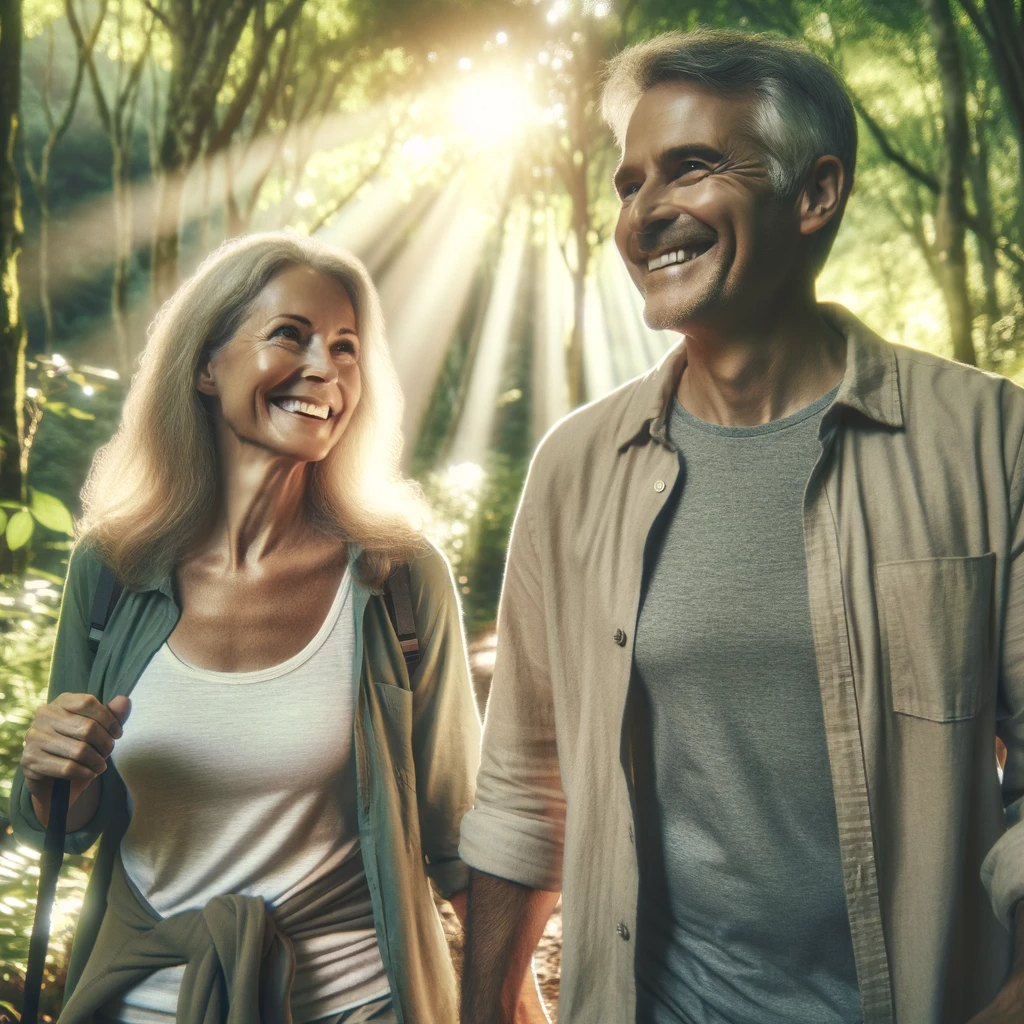
Physical activity, particularly in outdoor settings, plays a pivotal role in promoting environmental wellness and longevity. For those aged 55 and older, engaging in outdoor activities not only enhances physical health but also provides mental and emotional benefits.
Benefits of Outdoor Exercise for Physical and Mental Health
- Physical Benefits: Outdoor activities such as walking, cycling, or gardening provide cardiovascular benefits, improve strength and flexibility, and help maintain a healthy weight.
- Mental Health Advantages: Being outdoors, especially in green spaces, can reduce stress, improve mood, and increase feelings of well-being.
Safe and Effective Outdoor Activities for Those Aged 55 and Older
- Walking and Hiking: These low-impact activities are ideal for maintaining cardiovascular health and can be easily adjusted to fit individual fitness levels.
- Gardening: Offers both physical exercise and the satisfaction of nurturing plants; it's also an excellent way to engage with the environment.
Connecting with Nature for Improved Wellness
- Nature Therapy: Spending time in natural settings, like parks or beaches, can have a therapeutic effect, reducing anxiety and promoting a sense of peace.
- Community Gardens and Parks: Participating in community gardens or visiting local parks are excellent ways for older adults to connect with nature and their community.
Incorporating outdoor physical activities into daily routines is a key strategy for improving environmental wellness and longevity. Not only do these activities provide physical health benefits, but they also foster a deeper connection with the natural world, enhancing overall well-being.
Mental and Emotional Well-being
The influence of our environment on mental and emotional health is substantial, particularly for those over 55. Creating a positive mental environment and managing stress are key to promoting longevity and overall wellness.
The Impact of Environmental Factors on Mental and Emotional Health
- Influence of Physical Space: Cluttered or poorly lit spaces can contribute to stress and anxiety, whereas clean, well-lit, and aesthetically pleasing environments can enhance mood and mental clarity.
- Social Environment Effects: Strong social connections and a supportive community can greatly diminish feelings of loneliness and depression, common in older adults.
Strategies for Fostering a Positive Mental Environment
- Mindfulness and Meditation: Practices like mindfulness and meditation can help in creating a serene mental environment, reducing stress, and improving overall emotional well-being.
- Engaging in Hobbies: Participating in enjoyable activities or hobbies, especially those involving creativity or social interaction, can have a positive impact on mental health.
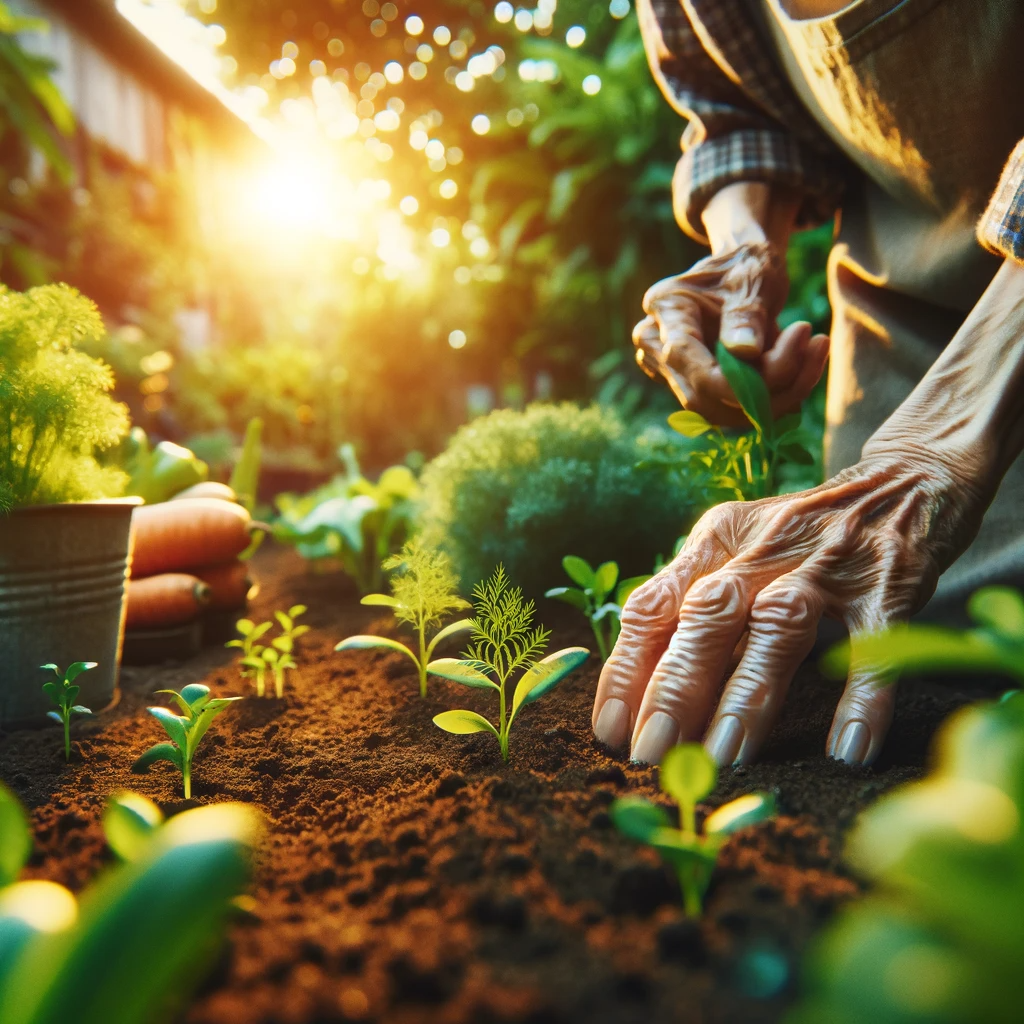
- Example - Gardening: Gardening serves as a therapeutic hobby, offering a blend of physical activity, creativity, and tranquility. It's an activity that can transform an outdoor space into a serene and visually pleasing retreat, contributing to relaxation and mental peace.
Importance of Stress Management and Relaxation Techniques
- Effective Stress Management: Learning and practicing stress management techniques, such as deep breathing exercises, yoga, or tai chi, can significantly improve quality of life.
- Creating Relaxation Spaces: Designating areas in the home for relaxation, such as a reading nook or a garden space, encourages regular mental downtime and relaxation. A well-maintained garden, whether it's a collection of pots on a balcony or a backyard plot, can become a personal sanctuary that fosters relaxation and a deep sense of joy.
Cultivating mental and emotional wellness is as important as maintaining physical health. A balanced approach that includes stress management, fostering positive social interactions, and creating a supportive living environment can significantly contribute to longevity and life satisfaction.
Conclusion
As we've explored in this article, environmental wellness is a multifaceted concept that plays a crucial role in achieving longevity, particularly for those aged 55 and older. By understanding and applying the strategies discussed, you can create a living environment and lifestyle that not only supports your physical health but also nourishes your mental and emotional well-being.
Key Takeaways
- Home Environment: The significance of a toxin-free, well-lit, and ergonomically supportive home cannot be overstated. These elements contribute to a safe and health-promoting living space.
- Community Engagement: Active participation in your community and fostering strong social connections are vital for emotional support and overall wellness.
- Nutritional Choices: Embracing a diet that balances personal health needs with environmental sustainability can profoundly impact your longevity and the health of our planet.
- Outdoor Activities: Engaging in outdoor activities and connecting with nature offers numerous health benefits, enhancing both physical and mental well-being.
- Mental and Emotional Health: Strategies like mindfulness, meditation, and engaging in hobbies, especially gardening, play a significant role in creating a positive mental environment and managing stress.
We encourage you to take these insights and integrate them into your daily life. Each step, no matter how small, towards improving your environmental wellness can have a significant impact on your longevity and quality of life.
For more information and resources on enhancing your health and well-being, visit Live Longer Club. Remember, the journey to a healthier, longer life is continuous, and it's never too late to start making positive changes.
Thank you for joining us on this journey to discover and implement environmental wellness strategies for longevity. Here's to your health and a long, fulfilling life!
Further Reading
Books
- "The Blue Zones: Lessons for Living Longer from the People Who've Lived the Longest" by Dan Buettner
- Description: Explores the lifestyle of communities around the world where people live the longest.
- URL: www.amazon.com/The-Blue-Zones-Lessons-Living/dp/1426204000
- "Healthy at 100: The Scientifically Proven Secrets of the World's Healthiest and Longest-Lived Peoples" by John Robbins
- Description: Discusses diet, exercise, and lifestyle practices that contribute to longevity.
- URL: www.amazon.com/Healthy-at-100-Scientifically-Longest-Lived/dp/0345490118
- "The Mind-Gut Connection: How the Hidden Conversation Within Our Bodies Impacts Our Mood, Our Choices, and Our Overall Health" by Emeran Mayer
- Description: Explores the relationship between the mind, gut, and overall wellness.
- URL: www.amazon.com/The-Mind-Gut-Connection-Conversation-Impacts/dp/0062376551
Articles
- "Environmental Wellness and Longevity: How Your Surroundings Impact Your Health"
- Source: Health.gov
- "The Importance of Community and Social Connections for Longevity"
- Source: Harvard Health Publishing
- URL: https://www.health.harvard.edu/mind-and-mood/get-back-your-social-life-to-boost-thinking-memory-and-health
- "Mental Health and the Elderly: The Role of Environmental Factors"
- Source: Psychology Today
Studies
- "Exposure to Greenness and Mortality in a Nationwide Prospective Cohort Study of Women"
- Source: Environmental Health Perspectives
- URL: www.ehp.niehs.nih.gov/doi/10.1289/ehp.1510363
- "The Relationship Between Diet, Activity, and Other Factors, and Postmenopausal Cancer Risk"
- Source: American Journal of Epidemiology
- "Social Relationships and Risk of Dementia: A Systematic Review and Meta-Analysis of Longitudinal Cohort Studies"
- Source: Ageing Research Reviews
- URL: www.pubmed.ncbi.nlm.nih.gov/29798764/